For Families
What's the Longest You Can Be on Bail?
Published .
There is no time limit. In the United States, bail lasts until the case ends, whether that takes three months or four years. What changes with time is the paperwork. In Florida the bond itself expires after 36 months, and in every state the conditions keep running the whole time.
General information for families, not legal advice. These rules change from state to state and they have exceptions. For your case, talk to a criminal defense lawyer or ask for the public defender at the first court date.
Brief
No federal or state law we found puts a cap on how long someone can be out on bail. It runs until the case is dismissed, the person is found not guilty, or the person is sentenced.
- In Barker v. Wingo, the Supreme Court looked at a man who was out on bail for more than four years before trial and still refused to set a fixed deadline.
- Federal cases that ended in the year to September 30, 2025 took a median of 6.9 months. Jury trials took 23.4 months.
- Florida bonds expire 36 months after they are posted. California banned bail renewal fees on January 1, 2022.
- Bail usually ends at sentencing. Staying out during an appeal takes a new finding from the judge, and often a new bond.
Why There Is No Limit
We wrote this for the family that posted bail months ago and is starting to wonder when it ends. Many bail agent sites say a bond lasts "until the case is over" and stop there. That is true. It is also the least useful part of the answer.
Bail is a promise to come back to court. It is not a sentence and it is not a countdown. So the law sets no clock on it. The clock that matters is the one on the case itself.
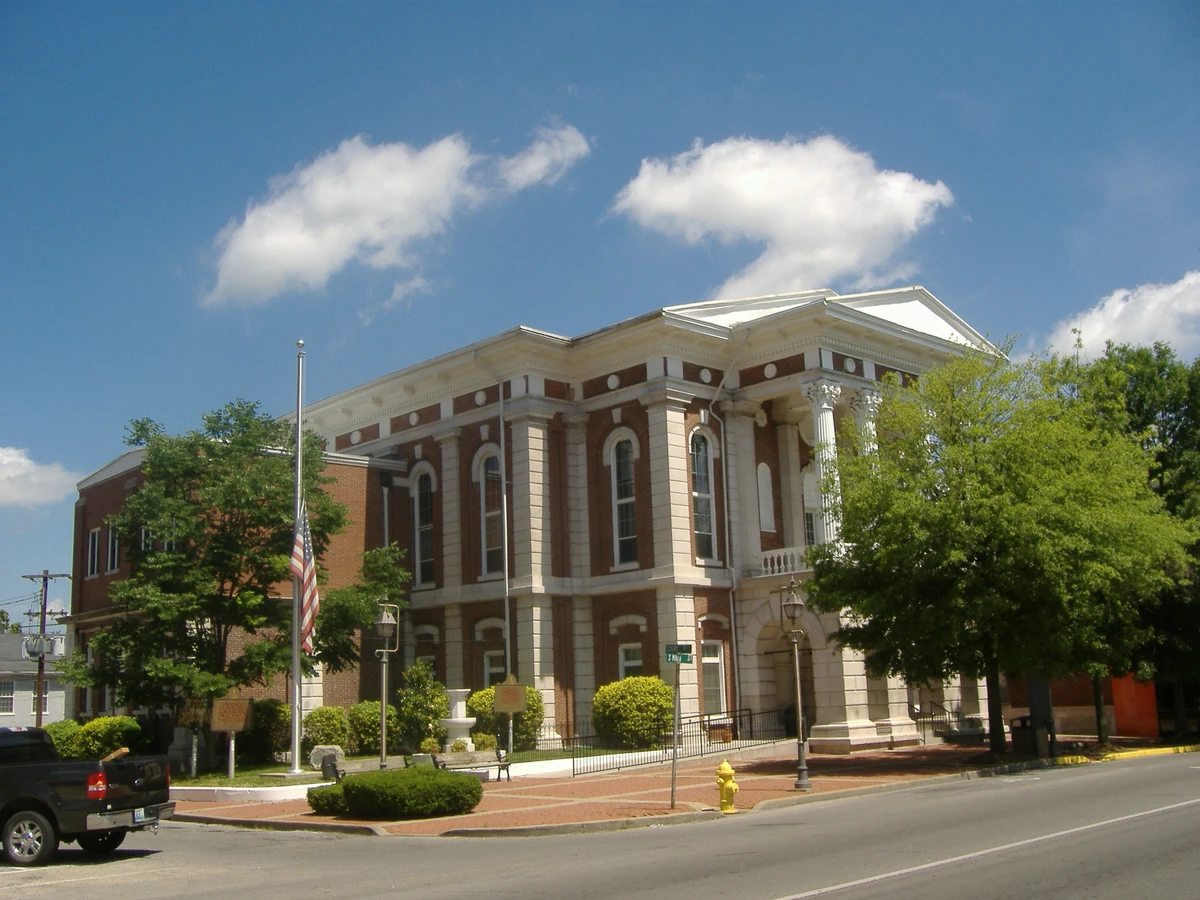
The U.S. Supreme Court settled the big question in Barker v. Wingo, decided June 22, 1972. Willie Barker was charged with murder in Christian County, Kentucky, in 1958. The state asked for 16 delays so it could try another man first. Barker spent 10 months in jail, then got out on a $5,000 bond. He stayed free on bail for more than four years. His trial finally came in October 1963, and he got a life sentence.
The Court said there is no constitutional basis for setting the right to a speedy trial at a fixed number of days or months. Judges weigh four things instead. How long the delay was, why it happened, whether the defendant asked for a trial, and how the delay hurt the defense. That test is still the law today.

How Long Cases Really Take
If bail lasts as long as the case, the real question is how long the case lasts. The best free national numbers come from the federal courts. State court data is spread across thousands of counties and is not reported the same way.
The federal courts publish a table called Table D-10. It covers 82,042 federal defendants whose cases ended in the 12 months to September 30, 2025. The clock starts when the charge is filed and stops when the person is found not guilty or is sentenced. Half the cases took less than the median and half took more.
Source is U.S. District Courts Table D-10, year ending September 30, 2025. Time runs from the filed charge to a not guilty finding or a sentence.
Read it this way. Most people plead, and most pleas land in about six or seven months. A case that goes to a jury takes about two years at the median. Half of those take longer. So a person out on bail for a federal jury trial should plan on two years or more of court dates and check ins.
The federal Speedy Trial Act sounds faster than that. It says charges must be filed within 30 days of arrest and trial must start within 70 days. But the same law leaves many delays out of the count, such as time for pretrial motions and continuances. That is why 70 days turns into 23 months for a jury trial.
State courts have their own clocks, and a person held in jail gets the fastest ones. We cover those state by state in our post on how long someone stays in jail without paying the bond.
When the Bond Itself Runs Out
Bail and the bail bond are two different things. Bail is what the judge sets. The bond is the paper a bail agent posts to cover it. The bail has no end date, but in some states the bond does. Many pages skip this part.
| Where | How long the bond lasts | What to watch for |
|---|---|---|
| Florida | The original appearance bond expires 36 months after it is posted. A finding of guilt or innocence before then ends it. | If the case is still open at 36 months, a new bond is needed. If no formal charge is filed within 365 days of arrest, the court cancels the bond unless the state shows good cause. (Florida Statute 903.31) |
| California | The bond stays in force through all court dates until the case is settled and the bond is exonerated. | Renewal premiums have been illegal since January 1, 2022, under Penal Code 1276.1. Collateral is not released until the case is settled. (California Department of Insurance) |
| Texas | Bail stays valid in the court that set it, in any court the case moves to, and in later hearings on the same charge. | A judge can order a new bond if the old one is defective, too high, too low, or for other good cause. A surety can also surrender the person to the sheriff before any forfeiture. (Texas Code of Criminal Procedure, Articles 17.09 and 17.16) |
| Federal | Release lasts until the case ends. After a guilty verdict the default flips to detention. | To stay out until sentencing or during an appeal, the judge has to make new findings. (18 U.S. Code 3143) |
Florida is the one to circle. The Florida Department of Financial Services puts it plainly. If 36 months pass and the court has not ruled, a new bail bond is needed. The premium there is 10 percent of the bail on a state bond and 15 percent on a federal bond, and it is earned once the person walks out. So a long Florida case can mean paying for a second bond.
Take $25,000 bail in a Florida state case. A 10 percent premium is $2,500. If the case passes 36 months, a new bond means a new premium on whatever bail is set then. Ask the agent in writing what happens at month 36 before you sign. Jails and licensed agents by county are on our Florida page.
California went the other way. Before 2022, a long case could mean a yearly renewal fee to the agent. Now that fee is banned. The California Department of Insurance also says the premium is generally not refunded, even if the charges are dropped. See our California page for jails and agents near you.
Bail After a Guilty Verdict or Plea

Many families think bail ends at the plea. Sometimes it does. Sometimes the judge lets the person stay out until sentencing, which can be weeks or months later. And sometimes release goes on through an appeal.
In federal court the rules get much stricter after a conviction. Under 18 U.S. Code 3143, a person waiting for sentencing is held unless the judge finds by clear and convincing evidence that they will not flee or put anyone in danger. For some serious crimes, detention is required unless extra conditions are met.
Staying out during an appeal is harder still. The judge must also find that the appeal is not just for delay and raises a substantial question that could change the outcome. It needs a lawyer.
The bond may not follow you into the appeal either. Florida's Statute 903.31 says the original appearance bond does not guarantee appearances during or after an appeal, or a deferred sentence. Plan for a new bond, or a new deal with the agent, if the case goes up on appeal.
The Rules Run as Long as the Bail Does
A long case means a long list of conditions. These do not fade with time. They last until the judge ends them.
- Court dates. Every one counts. A single missed date can lead to a warrant and a bond forfeiture, even three years in.
- Travel and home. Judges can limit where a person lives and travels. In federal court that is one of the conditions listed in 18 U.S. Code 3142, along with a curfew, check ins, work or school, and no guns.
- New charges. A new arrest while on bail can end the release on the first case.
- The co-signer. The person who signed for the bond is on the hook until the bond is released. In Texas, a surety can end its risk by surrendering the person to the sheriff before any forfeiture. That means back to jail.
Long cases wear people down. That is when dates get missed and phones get changed. If you co-signed, keep a written list of every court date and keep your number current with the agent.
A Checklist for a Long Case
- Write down the date the bond was posted. In Florida, count 36 months from that day.
- Ask the lawyer for every court date in writing, and the speedy trial deadline for your state.
- Read the bond contract for renewal fees. In California they are banned. Elsewhere, ask.
- Ask the judge before any move, new job out of town or trip out of state.
- Before a plea or a verdict, ask the lawyer whether release will continue until sentencing.
- If there will be an appeal, ask whether the old bond covers it. In Florida it does not.
- When the case ends, ask the court to release the bond. In Florida the court normally discharges it within 10 business days, and the agent should return collateral within 21 days after that, the Florida Department of Financial Services says.
Still deciding whether to post bail at all? Read our guide on whether to bail out or stay in jail. To find a jail and the bail agents closest to it, start with our jail directory, or go to a state page such as Texas.
Want JailBails first in Google? Set us as a preferred source